
Hire in Democratic Republic of the Congo (DRC)
Start your journey into human resources best practices and recruitment in the Democratic Republic of the Congo here.

Currency of Democratic Republic of the Congo
Congolese Franc (CDF)

The Capital of Democratic Republic of the Congo
Kinshasa
Time Zone in Democratic Republic of the Congo
GMT + 2
Important Facts About the Democratic Republic of the Congo
Introduction to Democratic Republic of the Congo
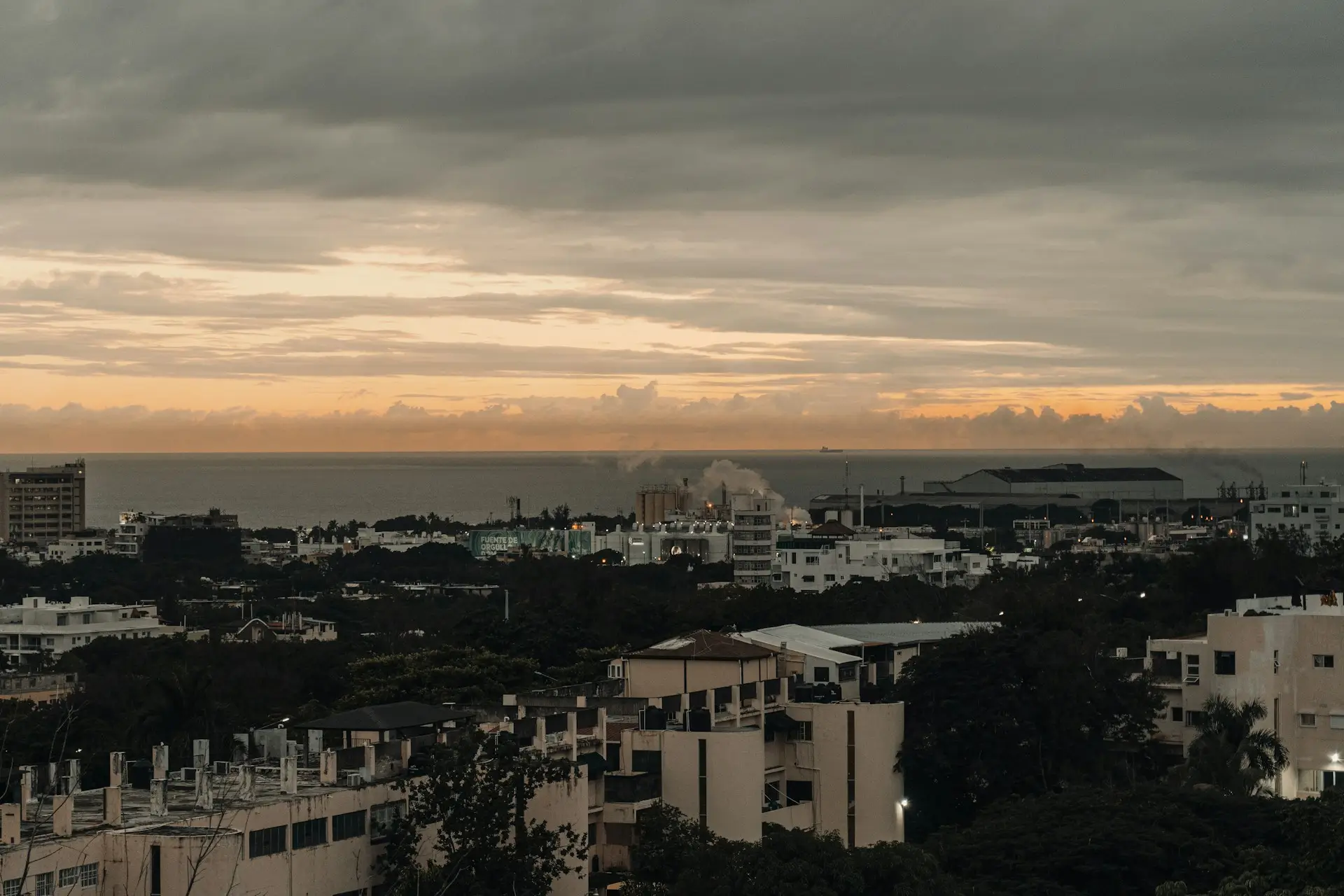
The Democratic Republic of the Congo (DRC), commonly known as Congo-Kinshasa, is situated in Central Africa. It ranks as the second-largest country on the continent, covering an expansive area of approximately 2.3 million square kilometers. Boasting a population of approximately 112 million, the DRC holds the distinction of being the most populous Francophone nation worldwide. The bustling city of Kinshasa, functioning as both the capital and largest urban center, serves as a hub for diverse economic, political, and cultural endeavors.
What to Know about Democratic Republic of the Congo’s Geography
The Democratic Republic of the Congo is surrounded by numerous neighboring nations. It shares its borders with the Republic of Congo to the west, the Central African Republic to the north, and South Sudan to the northeast. To the east, it is bordered by Uganda, Rwanda, and Burundi, while Tanzania lies to the southeast. Zambia and Angola are situated to the south. The country boasts diverse geography, encompassing expansive rainforests, the Congo River Basin, plateaus, and mountainous regions.
Climate in Democratic Republic of the Congo
The Democratic Republic of the Congo features a tropical climate marked by elevated temperatures and abundant rainfall year-round. The equatorial areas receive the highest levels of precipitation, whereas the southern regions tend to be comparatively drier. Temperature averages typically fluctuate between 24°C and 29°C.
The Culture of Democratic Republic of the Congo
The Democratic Republic of the Congo boasts a rich cultural tapestry, home to over 200 ethnic groups. Urban centers like Kinshasa offer a vibrant fusion of contemporary and traditional customs. Music and dance play pivotal roles in Congolese culture, with diverse genres like Soukous and Ndombolo enjoying global acclaim.
Religions Observed in Democratic Republic of the Congo
Christianity and Islam are the prevailing religions in the Democratic Republic of the Congo. Roman Catholicism and Protestantism have sizable adherents, with Christianity deeply rooted across the nation. Islam is predominantly observed in the eastern territories. Additionally, traditional indigenous faiths persist among specific ethnic communities.
Languages Spoken in Democratic Republic of the Congo
French serves as the official language of the Democratic Republic of the Congo. However, the nation boasts a rich linguistic diversity, with over 200 indigenous languages spoken. Languages like Lingala, Swahili, and Kikongo are prominent regional dialects utilized for daily interactions and regional commerce.
DRC Human Resources at a Glance
Employment Law Protections in Democratic Republic of the Congo
The Labor Code enacted in 2002 stands as the cornerstone of employment regulation within the Democratic Republic of Congo (DRC). Supplementing this foundational code are various pivotal statutes and decrees, which include:
- – The Constitution of the DRC
– Decree No 08/40 dated April 30, 2008 - – Employee’s Compensation Act, No 23 of 1998
- – The Social Security Decree issued by the Institut National de Sécurité Sociale (INSS)
Employment Contracts in Democratic Republic of the Congo
As stipulated in the Labor Code, it is a requirement for an employment contract to be documented in writing. In the absence of a written agreement, it will be presumed to be of indefinite duration unless proven otherwise. Failure to specify whether the contract is fixed-term or project-based will automatically categorize it as indefinite.
Prior to contract execution, the employer is obligated to furnish the employee with a copy of the draft contract and all pertinent documents at least two business days beforehand. Should the employer neglect this duty, the employee retains the right to terminate the contract within 30 days of its signing, without notice or compensation.
Fixed Term Contacts for DRC Employees
In accordance with the provisions of the Labor Code, any fixed-term employment agreement must explicitly state whether it pertains to a specific timeframe, project, or temporary substitution of an employee. Congolese labor regulations explicitly prohibit the utilization of fixed-term contracts for positions intended to be permanent.
Typically, a fixed-term employment contract is limited to a maximum duration of 24 months. However, this duration is shortened to 12 months under the following circumstances:
- When the employee is married but residing separately from their family.
- When the employee is widowed, separated from their spouse, or divorced, and living apart from their children for whom they have custody.
An employer may not enter into a fixed-term employment agreement with the same individual more than twice, nor may such a contract be extended more than once, unless specific circumstances outlined in Ministerial Order No. 063/CAB/PVPM/ETPS/2011 apply.
Should an employee continue working beyond the expiration of a fixed-term contract, the agreement will automatically transition into an open-ended contract.
Pre-Employment Checks
Pre-employment screenings are permissible, and the majority of labor agents in the country do perform them.
DRC's Guidelines Regarding Probation Period/Trial Period
As per the provisions of the Labor Code, every employment agreement may incorporate a probationary period. If such a period is included, it must be documented in writing and must not extend beyond six months, contingent upon the responsibilities of the employee’s role. However, for manual laborers, the probationary period must not surpass one month.
Regulations and Rules Regarding Working Hours in Democratic Republic of the Congo
Employees are legally entitled to work a maximum of 45 hours per week and nine hours per day. They must be provided with a minimum of 48 consecutive hours of rest within a seven-day period, typically falling on Saturdays and Sundays.
DRC Laws Regarding Overtime
If an employee works beyond the designated working hours, they are eligible for overtime compensation based on the following rates:
- – 30% for each of the initial six hours worked beyond the standard weekly working time or its equivalent.
- – 60% for each subsequent hour beyond the initial six hours.
- – 100% for each hour of overtime worked on the weekly rest day.
Termination
In cases of severe misconduct warranting termination, the employer is required to notify the employee of their intent to terminate the contract within 15 days of discovering the misconduct.
In instances where gross misconduct is not present, the employer must adhere to the notice period regulations when intending to terminate the employment contract.
As per the Labor Code, employers have the prerogative to lay off employees due to economic or structural reasons. However, prior to any action, they must engage in consultation with their employees or their representatives by issuing a notice at least 15 days in advance.
Upon termination of an employment contract, regardless of the cause, the employer is obligated to furnish the employee with a certificate. This document must delineate the duration and nature of the employee’s services, including commencement and cessation dates. Moreover, it should specify any entitlements owed to the employee and incorporate the contract’s registration number with the National Institute of Social Security.
DRC's Requirements Regarding Notice Periods
- IFor employees with one year or more of service, one month’s notice is required.
- For those with more than six months but less than one year, two weeks’ notice should be given.
- Employees with less than six months of service should be provided with one week’s notice.
Redundancy/Severance Pay in Democratic Republic of the Congo
If an employee with an indefinite contract is terminated without valid reason, they are entitled to seek reinstatement. Alternatively, if reinstatement is not feasible, they may pursue compensation determined by the Labor Court. The awarded damages consider various factors, including the nature of the services, the employee’s tenure within the company, their age, and accrued rights. The maximum compensation allowed is equivalent to 36 months of the employee’s final remuneration.
Tax and Social Security Information for Employers in DRC
Personal Income Tax in Democratic Republic of the Congo
In the Democratic Republic of Congo (DRC), personal income tax is determined based on an annual progressive tax table as follows:
| Income Bracket (CDF) | Tax Rate |
|---|---|
| 0 – 1,944,000 | 3% |
| 1,944,001 – 21,600,000 | 15% |
| 21,600,001 – 43,200,000 | 30% |
| 43,200,001 and above | 40% |
As per tax regulations, an individual’s personal income tax is capped at 30% of their taxable salary. Furthermore, any compensations or allowances provided to an employee upon termination of their contract are subject to a fixed tax rate of 10%. Casual employees engaged on a daily basis are taxed at a preferential rate of 15% on their earnings.
Social Security in Democratic Republic of the Congo
The social and employment contributions in the Democratic Republic of Congo (DRC) are outlined as follows:
| Scheme | Employer Contribution Rate | Employee Contribution Rate |
|---|---|---|
| National insurance fund (Institut National de Sécurité Sociale or INSS) | 1.5% (occupational risks); 5% (pension); 6.5% (family benefits) | 5% (pension) |
| National office for professional training (Institut National de Préparation Professionnelle or INPP) | 1% – 3% * | NA |
| National office of employment (Office National de l’Emploi or ONEM) | 0.2% | NA |
* State-owned companies and private companies with up to 50 employees are subject to a 3% contribution rate. Private companies with 51 to 300 employees face a 2% rate, while those with over 300 employees incur a 1% rate.
The deadline for submitting returns for INSS, INPP, and ONEM is the 15th day of the month following the month in which the wages were disbursed.
* Please note that the rates provided above are general estimates. Actual rates may vary.
Important Information for DCR Employees
Salary Payment
Employers are obligated to remunerate their employees in cash, during working hours, at the agreed time and location, and in lawful currency. Monthly salaries must be disbursed no later than six days after the respective period, ensuring regular and punctual payment intervals not exceeding one month.
In the event of employment termination, all outstanding wages must be settled no later than two working days after the termination date.
Offering any portion of the wages in non-monetary forms is strictly prohibited.
Payslip
Employers are required to document payments on the date of disbursement in a payroll ledger furnished to the employee upon payment.
Annual Leave
Employees become eligible for annual leave after completing a year of uninterrupted service. The duration of leave granted varies based on the employee’s age. Individuals aged 18 and above accrue one day of leave per month worked, totaling 12 days for a full year of employment. Conversely, employees under 18 years old accumulate one and a half days of leave per month, resulting in 18 days of leave annually. Furthermore, the number of leave days increases by one day for every five years of service with the same employer.
Payment in lieu of leave is only permissible upon termination. This compensation must be disbursed within two working days following the contract’s conclusion.
Sick Leave
According to the Labor Code, employees who are unable to carry out their duties due to illness or injury are entitled to paid sick leave. Throughout this period, the employee is eligible to receive two-thirds of their standard salary. Sick leave is capped at a maximum duration of six months.
Maternity & Parental Leave
All female employees are entitled to 14 weeks of maternity leave, which is divided into two segments:
- – Six weeks before the baby’s birth.
- – Eight weeks following the baby’s birth.
Throughout maternity leave, the employee receives two-thirds of her usual pay, along with any contractual benefits agreed upon previously.
Female employees also have the right to paid breaks for breastfeeding. During the breastfeeding period, a new mother is legally entitled to two 30-minute breaks daily to nurse the child. These breaks are compensated by the employer as part of the employee’s working hours.
Circumstance Leave
Employees have the following entitlements for circumstance leave:
- – Two business days for their own marriage.
- – Two business days for a male employee whose wife is giving birth.
- – Four business days for the death of their spouse or a parent in the first degree.
- – One business day for the marriage of their child.
- – Two business days for the death of a relative in the second degree.
Public Holidays
There are usually nine public holidays. If any of these holidays occur on a Sunday, they will be observed on the preceding day.
Benefits to the Employee in Democratic Republic of the Congo
DRC Statutory Benefits
Employees are entitled to a range of benefits as stipulated by law and collective agreements. These benefits encompass retirement pensions, occupational risk insurance, family benefits, annual leave, sick leave, maternity leave, circumstance leave, and more.
Rules Regarding Visas and Foreign Workers in DRC
General Information
Visas
The visa policy of the DRC varies depending on the nationality of the traveler. Certain countries enjoy visa-exempt status, allowing their citizens to enter the DRC without a visa for specified periods, typically ranging from 15 days to 90 days. However, many nationalities are required to obtain a visa prior to entry.
Visas offered by the DRC span durations from seven days to six months, with two main types available: the Single-Entry Visa and the Multiple Entries Visa. The Single-Entry Visa permits one entry into the DRC, while the Multiple Entries Visa allows multiple visits within the designated validity period.
Work Permits:
The Democratic Republic of Congo (DRC) offers two primary types of work visas:
- Regular Work Permit: This permit is designated for foreign employees who have entered into contracts with companies registered within the country. The standard permit’s validity typically spans from one to two years, subject to the terms outlined in the employment agreement.
- Job-Specific Visa: Non-national employees seeking temporary residence in the DRC for specific work-related activities can obtain this one-year visa. Tailored for short-term work commitments, it is non-renewable.
Public Holidays Recognized by Democratic Republic of the Congo in 2024
| Occasion | Date | |
|---|---|---|
| 1 | New Year’s Day | January 1 |
| 2 | Martyrs’ Day | January 4 |
| 3 | Heroes’ Day (Laurent Kabila) | January 16 |
| 4 | Heroes’ Day (Patrice Lumumba) | January 17 |
| 5 | Labour Day | May 1 |
| 6 | Liberation Day | May 17 |
| 7 | Independence Day | June 30 |
| 8 | Parents’ Day | August 1 |
| 9 | Christmas Day | December 25 |
Hire New Talent in Democratic Republic of the Congo
Our global hiring services enable you to onboard personnel in any country without the financial commitment required to establish a local entity.